The New Era of Hip-Hop Production
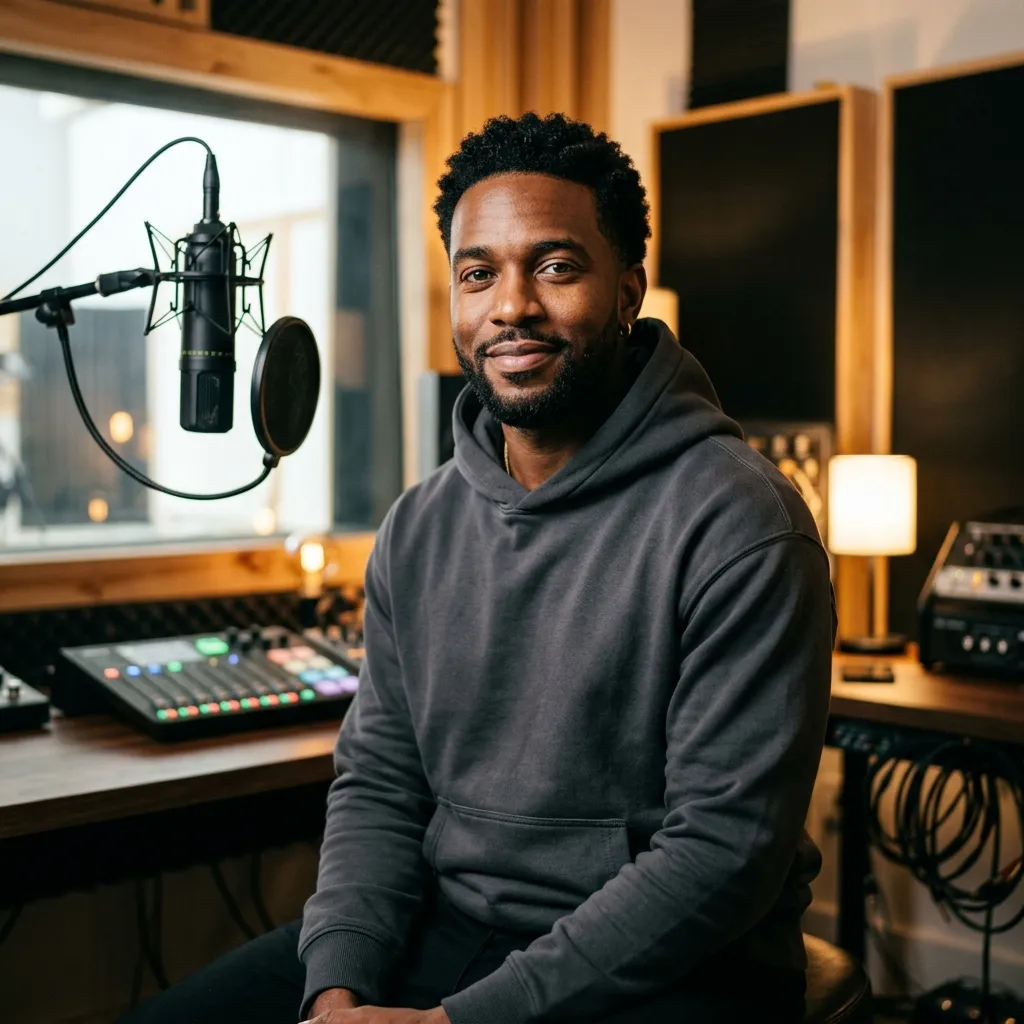
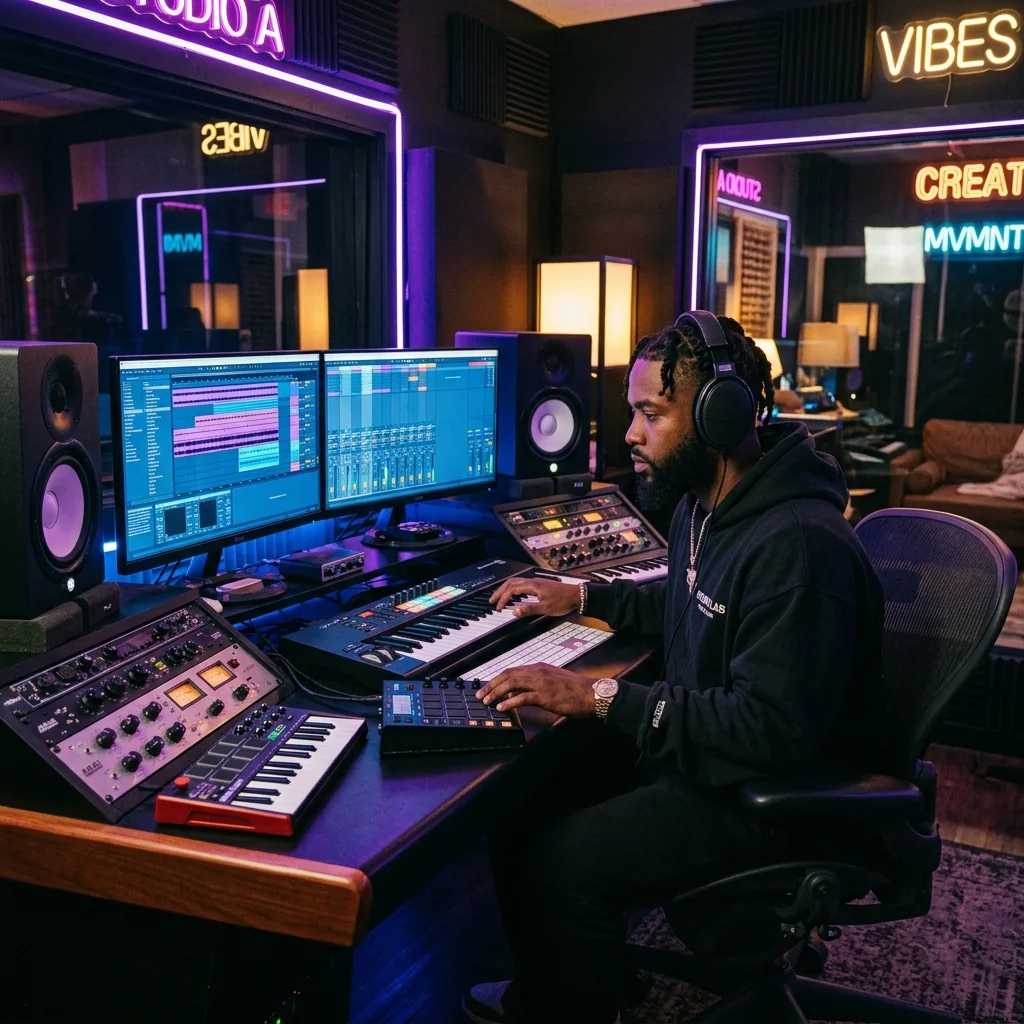
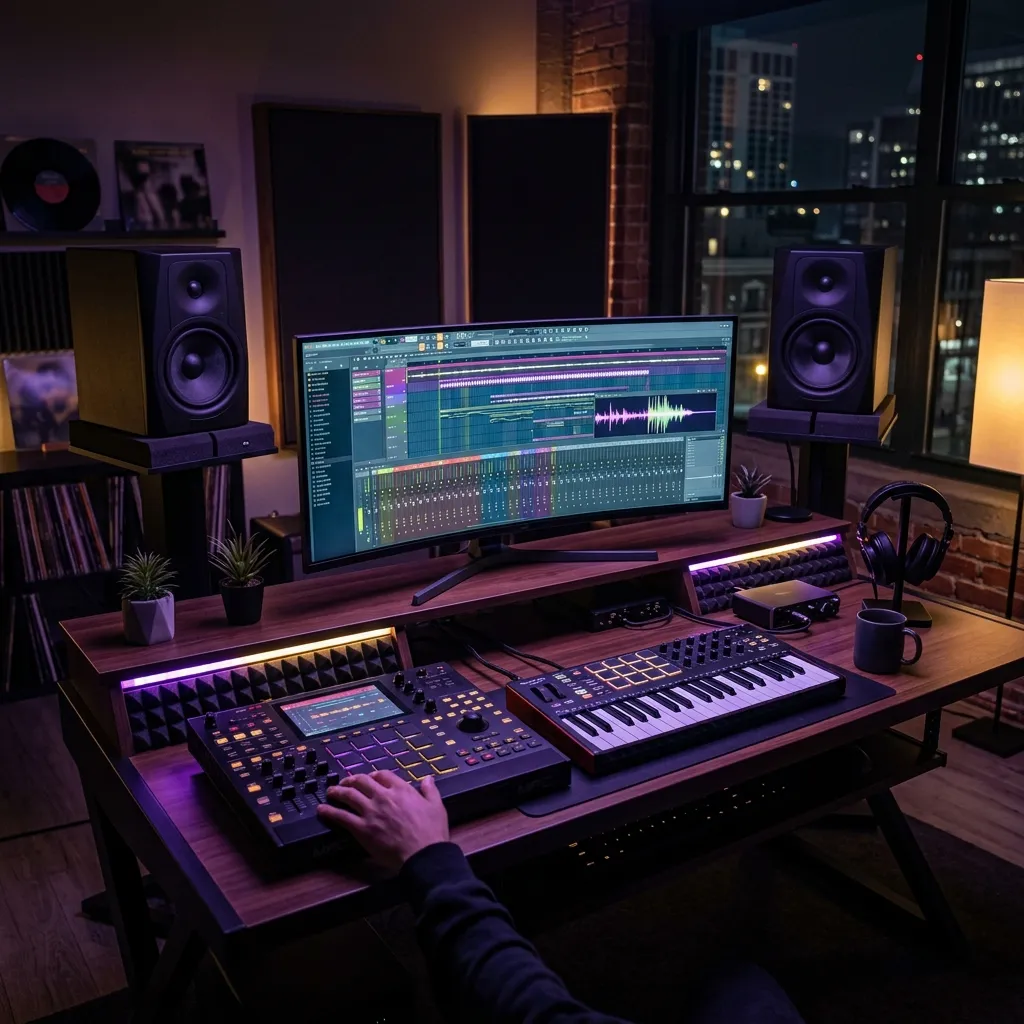
When our editorial team visited several top-tier recording studios in Atlanta last month, one thing became immediately clear: the way hip-hop producers are making beats has fundamentally changed. We sat in on a session where a multi-platinum producer crafted an entire instrumental without ever touching a computer mouse. Instead, they relied on a hybrid setup that seamlessly blended the tactile feel of classic hardware with the infinite possibilities of a modern Digital Audio Workstation (DAW).
In 2026, the landscape of hip-hop beat-making is defined by workflow efficiency, artificial intelligence integration, and the resurgence of standalone hardware. The barrier to entry has never been lower, but the ceiling for sonic quality has never been higher. Whether you are a bedroom producer looking to upgrade your setup or a seasoned beat-maker pivoting to a new workflow, choosing the right tools is the critical first step to shaping your sound.
This guide breaks down exactly what you need to build a state-of-the-art production ecosystem in 2026, comparing the best DAWs, the most essential VST plugins, and the hybrid hardware that is currently dominating the charts.
Why Your Production Setup Matters
The tools you choose dictate your creative workflow. A Digital Audio Workstation (DAW) is the primary software environment used for recording, editing, and producing audio files. Your DAW is the brain of your studio, while your plugins provide the sonic character, and your hardware acts as the physical interface between your imagination and the digital realm.
Choosing a setup that conflicts with your natural creative instincts will inevitably lead to beat block and frustration. Conversely, an optimized setup minimizes the friction between an idea forming in your head and the final audio bouncing out of your speakers.
DAWs Compared: Which One Fits Your Style?
To help you make an informed decision, here is a breakdown of the three industry-standard DAWs for hip-hop production in 2026:
| Feature / DAW | FL Studio 21+ | Ableton Live 12 | Akai MPC Beats |
| :--- | :--- | :--- | :--- |
| Best For | Trap, Drill, fast drum sequencing | Sampling, sound design, live performance | Classic hip-hop, boom-bap, hardware integration |
| Workflow Paradigm | Pattern-based sequencing | Linear & Session (loop-based) views | Pad-based, groovebox style |
| Learning Curve | Beginner-friendly | Moderate to Steep | Moderate |
| Piano Roll Quality | Best-in-class | Excellent, recently upgraded | Functional |
| Pricing Model | Lifetime free updates (one-time purchase) | Paid major upgrades | Free (Entry-level) |
FL Studio remains the undisputed king for fast drum programming due to its intuitive step sequencer, while Ableton Live is the absolute gold standard for audio warping and complex sample manipulation.
Step 1: Choosing the Ultimate DAW for Your Sound
Your DAW is your canvas. If you make the wrong choice here, everything else in your workflow will suffer. In 2026, the lines between these software platforms have blurred, but their core philosophies remain distinct.
FL Studio: The Undisputed King of Trap and Drill
For over a decade, FL Studio has been the backbone of modern hip-hop. From Metro Boomin to Southside, the biggest hits in the world have been sequenced on this software. The secret to FL Studio's dominance is its step sequencer and piano roll. The FL Studio piano roll is a graphical interface that allows producers to input, edit, and arrange MIDI notes with unmatched precision and speed. Creating rapid-fire hi-hat rolls, complex 808 glides, and syncopated snare patterns takes mere seconds. If your primary focus is hard-hitting trap or drill beats, FL Studio is your mandatory starting point.Ableton Live: The Sampler’s Paradise
If your sound relies heavily on flipping samples, chopping breaks, and mangling audio, Ableton Live is unparalleled. Ableton's "Session View" allows you to trigger loops and clips non-linearly, making it an incredible tool for jamming and finding happy accidents before committing to an arrangement. Its audio warping algorithms are the best in the business, allowing you to stretch an a cappella or a vintage soul sample to fit your tempo without introducing unwanted artifacts.Logic Pro: The All-in-One Powerhouse
For Mac users, Logic Pro remains the best value in music production. For a flat fee, you get a DAW packed with professional-grade stock plugins, an incredible virtual drum machine, and Alchemy—one of the most powerful software synthesizers on the market. Logic is heavily favored by producers who track live instruments or work closely with vocalists, as its comping and vocal editing tools are deeply integrated and highly efficient.Step 2: Selecting Essential VST Plugins and Instruments
A DAW out of the box is like a blank canvas; VST plugins are the colors you paint with. Virtual Studio Technology (VST) plugins are software interfaces that integrate software synthesizers and effects units into digital audio workstations. To compete in 2026, your sounds must be thick, textured, and radio-ready. Here are the essential categories and our top recommendations.
Synthesis and Sound Design
You need a workhorse synthesizer that can do everything from sub-shaking 808s to ethereal pads. * Xfer Serum: It is impossible to overstate the impact of Serum. Serum is an advanced wavetable synthesizer known for its visual feedback and limitless modulation capabilities. Even years after its release, it remains the industry standard. The sheer volume of high-quality preset packs available for hip-hop makes it a must-have. * Arturia Pigments: If you want modern, complex textures, Pigments is the answer. It combines wavetable, virtual analog, granular, and harmonic synthesis engines, making it perfect for the dark, cinematic soundscapes popular in current hip-hop.Sampling and Inspiration
Sometimes you need instant inspiration to break through a creative wall. * Output Arcade: Arcade is essentially a playable sampler instrument connected to a constantly updating cloud library. It is an essential tool for quickly finding fresh vocal chops, guitar riffs, and synth loops that fit current trends. * Native Instruments Kontakt: The undisputed standard for high-quality, realistic acoustic instrument libraries. If you need realistic brass, strings, or pianos for an orchestral hip-hop beat, Kontakt is mandatory.Mixing and FX (The Secret Sauce)
Getting your beats to hit hard requires the right processing. * FabFilter Pro-Q 3 (or 4): The absolute benchmark for surgical and dynamic EQ. Its visual interface allows you to carve out muddy frequencies and make room for your 808s and kicks to punch through the mix. * Soundtoys Decapitator: Digital audio can sound sterile. Decapitator is an analog saturation modeling plugin that adds warmth, harmonic distortion, and "grit" to drums and bass lines. It is the secret weapon for making weak 808s sound massive on small speakers. * XLN Audio RC-20 Retro Color: The ultimate lo-fi plugin. RC-20 adds instant "vibe" by introducing vinyl noise, subtle pitch modulation (wow and flutter), and tube distortion to sterile digital sounds.Step 3: Integrating Hardware for a Hybrid Workflow
The biggest shift in 2026 is the move away from the mouse and keyboard. Producers want to physically play their instruments again. A hybrid setup gives you the tactile joy of hardware with the limitless editing power of software.
The Brain: Standalone Workstations
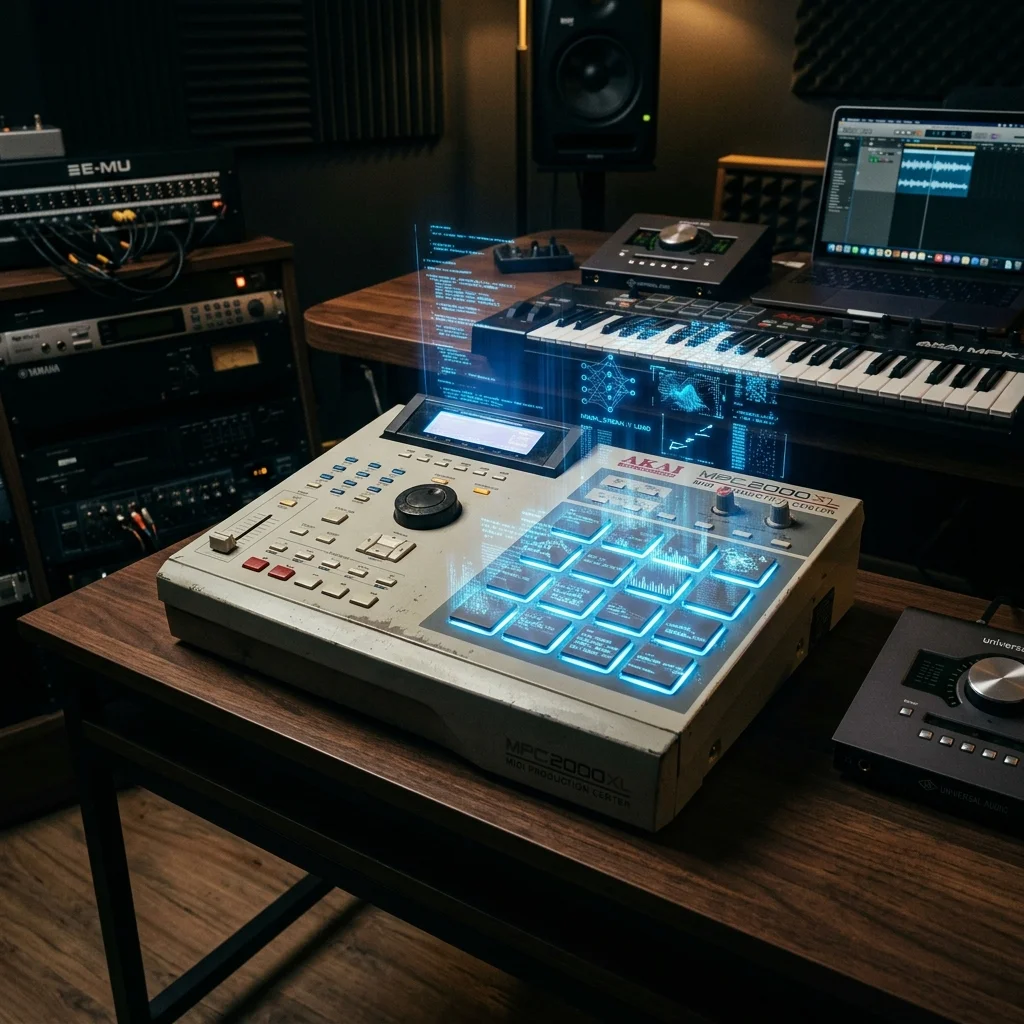
The Akai MPC Live III and the Native Instruments Maschine+ lead the pack here. These are standalone grooveboxes that do not require a computer to function. You can chop samples, program drums, and arrange full beats using just the hardware. When you are ready to mix, you can easily export the stems or project files into your main DAW. This approach forces you to rely on your ears rather than your eyes, often leading to more soulful, groovy productions.The Interface: Audio Interfaces
If you are recording vocals or sampling from a vinyl record player, you need an audio interface to convert the analog signal to digital. * Universal Audio Apollo Twin X: Highly regarded for its elite AD/DA conversion and near-zero latency performance. It allows you to track audio through legendary analog hardware emulations in real-time. * Focusrite Scarlett 2i2: The most trusted and reliable choice for beginners. It provides clean preamps and rock-solid drivers at an unbeatable price point.The Hands: MIDI Controllers
A good MIDI keyboard is essential for playing in melodies and drum patterns with natural velocity and swing. Look for controllers that offer deep DAW integration, such as the Arturia KeyLab Essential or the Novation Launchkey series. These keyboards feature touch-sensitive pads for finger drumming and rotary knobs that automatically map to your DAW’s mixer and plugin parameters.Best Practices for Hip-Hop Beat-Making
To elevate your production from amateur to professional, you must adopt the habits of top-tier producers. Here are the crucial best practices for 2026.
Prioritize Sound Selection Over Processing
Always choose the highest quality samples and synth presets from the beginning. You cannot EQ a bad kick drum into a good one. If a sound does not fit the vibe immediately, delete it and find one that does. Your mix will practically balance itself if you select sounds that naturally occupy different frequency ranges.Utilize Gain Staging
Gain staging is the process of managing audio levels throughout your signal chain to prevent unwanted digital clipping and maintain headroom. Keep your master channel peaking no higher than -3dB to -6dB while you are producing. This leaves plenty of headroom for the mastering engineer (or your mastering plugins) to make the track loud and punchy without distortion.Organize Your Workflow
Speed is everything in hip-hop production. Create custom DAW templates that have your favorite drum kits pre-loaded, your vocal recording chains set up, and your sidechain routing already configured. The faster you can translate the idea in your head into the DAW, the less likely you are to lose the creative spark.Master the Art of Subtractive EQ
Instead of boosting frequencies to make a sound stand out, cut the frequencies in other sounds that are masking it. If your 808 is clashing with your kick drum, use a dynamic EQ to duck the specific frequency of the 808 only when the kick hits.Common Mistakes to Avoid
Even experienced producers fall into traps that ruin their beats. Avoid these common pitfalls to ensure your tracks sound professional.
Mistake 1: Over-Quantizing Your Drums
When every drum hit lands perfectly on the grid, the beat sounds robotic and lifeless. The Fix: Turn off "snap to grid" and manually shift your hi-hats slightly off-beat, or use your DAW's groove/swing templates. Finger drumming your high-hats and snares without quantization is the best way to inject human feel and "bounce" into your track.Mistake 2: Clashing Low Frequencies
A muddy low-end is the ultimate hallmark of an amateur mix. If your kick drum, 808, and synth bass are all fighting for the same frequencies, the track will sound terrible in a car or club. The Fix: You must choose one dominant sub-frequency instrument. If your 808 is massive, use a short, punchy kick drum that hits in the mid-lows. Always use a high-pass filter (EQ) to roll off the low-end frequencies (below 100Hz) on your melodies, vocals, and hi-hats so they don't interfere with the bass.Mistake 3: Ignoring the Importance of Silence
Producers often feel the need to fill every second of a beat with a new sound, synth, or percussion hit. This leaves no room for the artist's vocals. The Fix: Treat silence and "empty space" as an instrument. Mute certain elements during the verse to create a sparse, open pocket for the rapper, then bring everything back in for the chorus to create dynamic impact. Remember, the beat is the frame; the vocal is the painting.Frequently Asked Questions (FAQ)
What is the easiest DAW for a beginner hip-hop producer to learn?
FL Studio is widely considered the easiest DAW for beginners entering hip-hop production. Its step sequencer allows you to build complex drum patterns visually within minutes, and the piano roll is universally praised for being intuitive for those without formal music theory training.Do I need expensive hardware to make good beats?
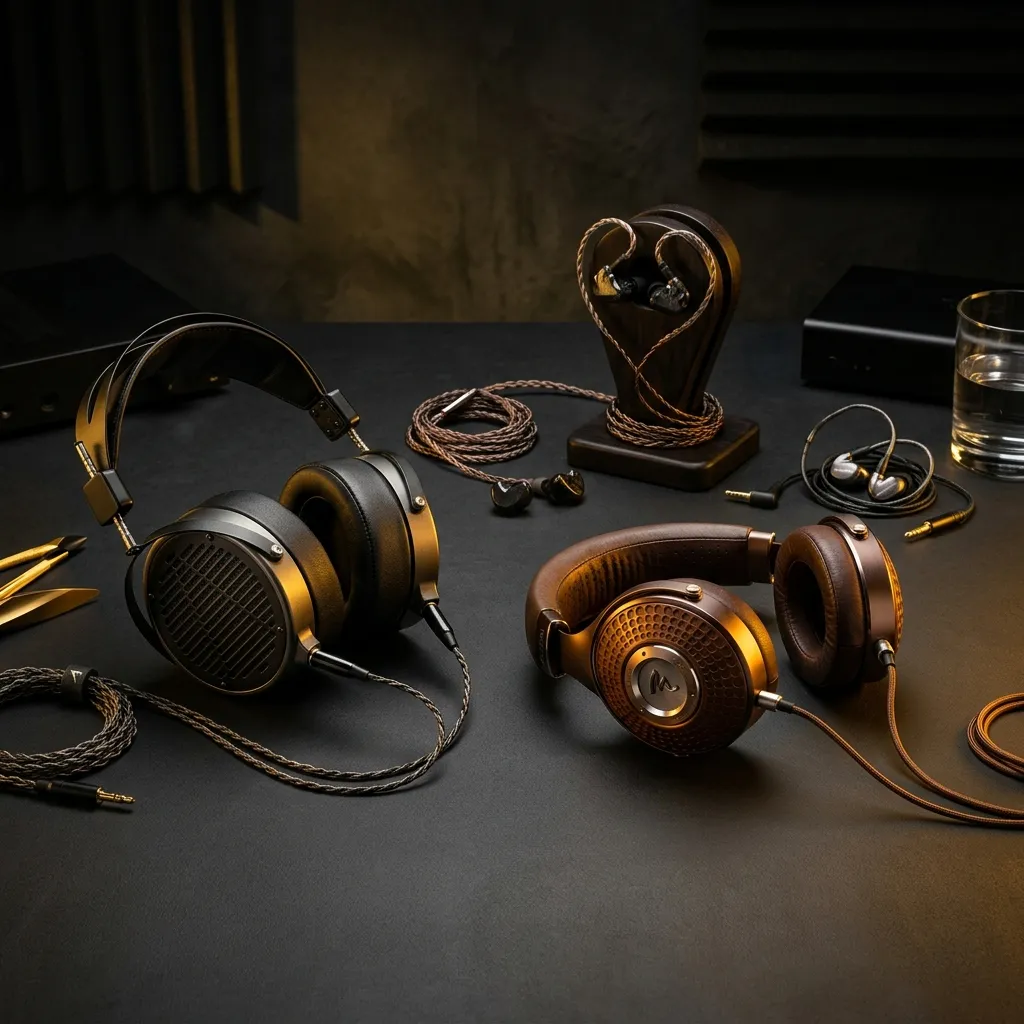
Absolutely not. A standard laptop, a pair of decent studio headphones (like the Audio-Technica ATH-M50x), and a DAW are all you need to create Billboard-charting hits. Hardware like MIDI keyboards and MPCs improve your workflow and make the process more tactile, but they do not inherently improve the sonic quality of your music.What is the difference between a synth and a sampler?
A synthesizer generates audio signals electronically from scratch using oscillators and waveforms, allowing you to design entirely new sounds. A sampler, on the other hand, plays back pre-recorded audio files (samples) that you can manipulate, pitch-shift, and chop up. Modern hip-hop relies heavily on both.How do I get my 808s to sound loud and punchy?
Loud 808s require a combination of good sound selection, EQ, and saturation. First, ensure your 808 sample is high quality. Use an EQ to cut conflicting low frequencies from other instruments. Then, apply a saturation plugin (like Soundtoys Decapitator or a stock overdrive) to add upper harmonics to the 808. This makes the 808 audible on smaller speakers, like smartphones, which cannot reproduce deep sub-bass frequencies.Should I master my own beats before sending them to artists?
You should apply a "rough master" to your beats before sending them out, so they are competitively loud. However, you should never aggressively limit or compress the master bus to the point of distortion. Provide a version that sounds loud and punchy, but be prepared to send the "stems" (individual track files) without the heavy mastering applied so the artist's audio engineer can properly mix the vocals into the track.Start Building Your Empire
The tools for creating professional hip-hop instrumentals are more accessible today than at any point in history. Whether you choose the lightning-fast sequencing of FL Studio or the hardware-driven groove of an Akai MPC, the most important step is simply committing to a workflow and mastering it.
Ready to upgrade your studio monitoring? Don't let your mix suffer because of bad playback. Check out our comprehensive guide to the Best Headphones for Hip-Hop in 2026 to find the perfect gear to hear the true depth of your newly produced 808s.