From the Block to the Runway
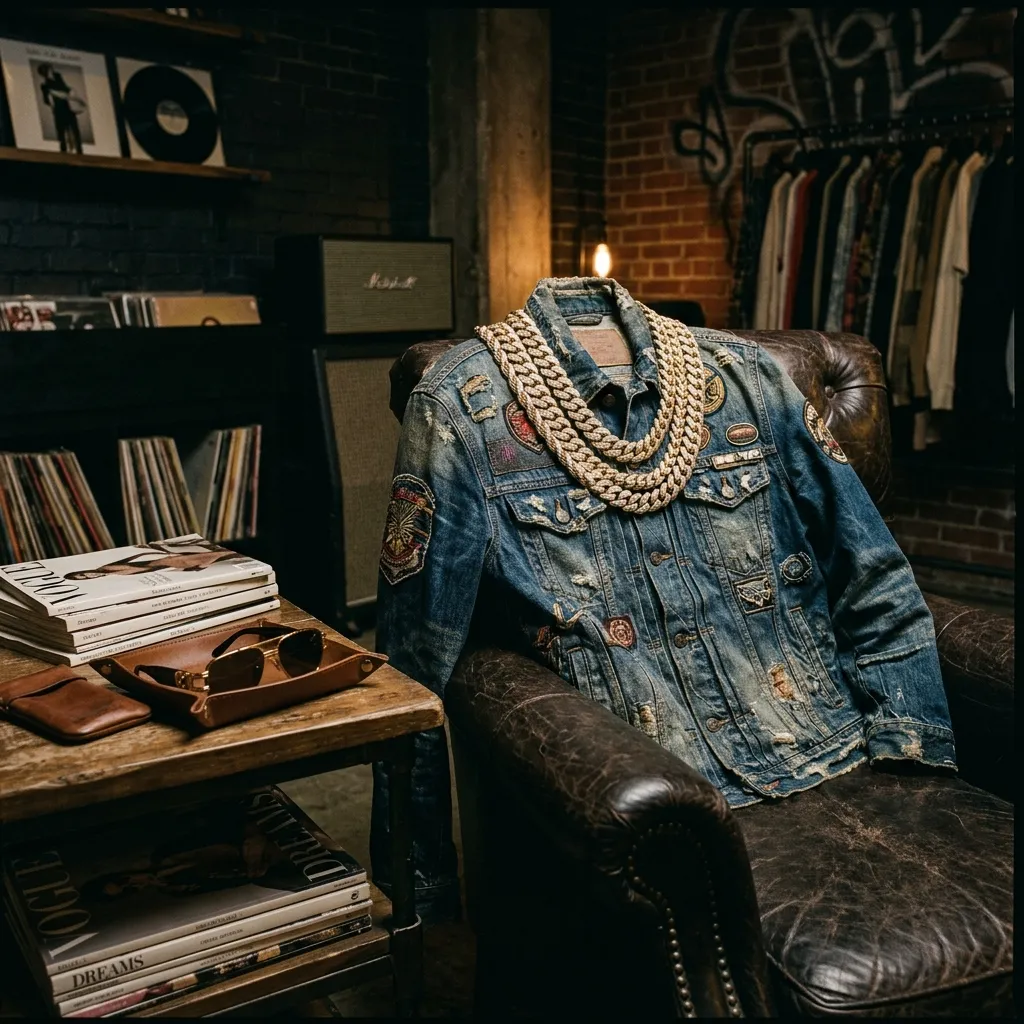
When our styling team was securing archival pieces for a massive editorial shoot in Paris late last year, a prominent French designer handed us a distressed, oversized denim jacket. "We pulled the silhouette directly from 1990s Brooklyn," she admitted, completely unprompted. It was a staggering, yet utterly unsurprising, confession. For decades, the high-fashion houses of Europe actively ignored, and sometimes outright rejected, hip-hop culture. Today, those same luxury houses are completely dependent on hip-hop artists to dictate their creative direction, set their trends, and act as their creative directors.
How did we get from rappers being denied entry into luxury boutiques to Pharrell Williams being named the Men’s Creative Director of Louis Vuitton?
The answer lies in a specific lineage of visionaries. These are not just artists who wore nice clothes; these are the architects who forced the fashion industry to bend to their will. A hip-hop fashion icon is an artist who utilizes clothing as a structural extension of their music, fundamentally altering the aesthetic trajectory of both the streets and the luxury market.
This comprehensive guide breaks down the 10 most influential fashion icons in hip-hop history, exploring exactly how they dismantled the traditional barriers of the fashion world.
Why Hip-Hop is the Global Fashion Engine
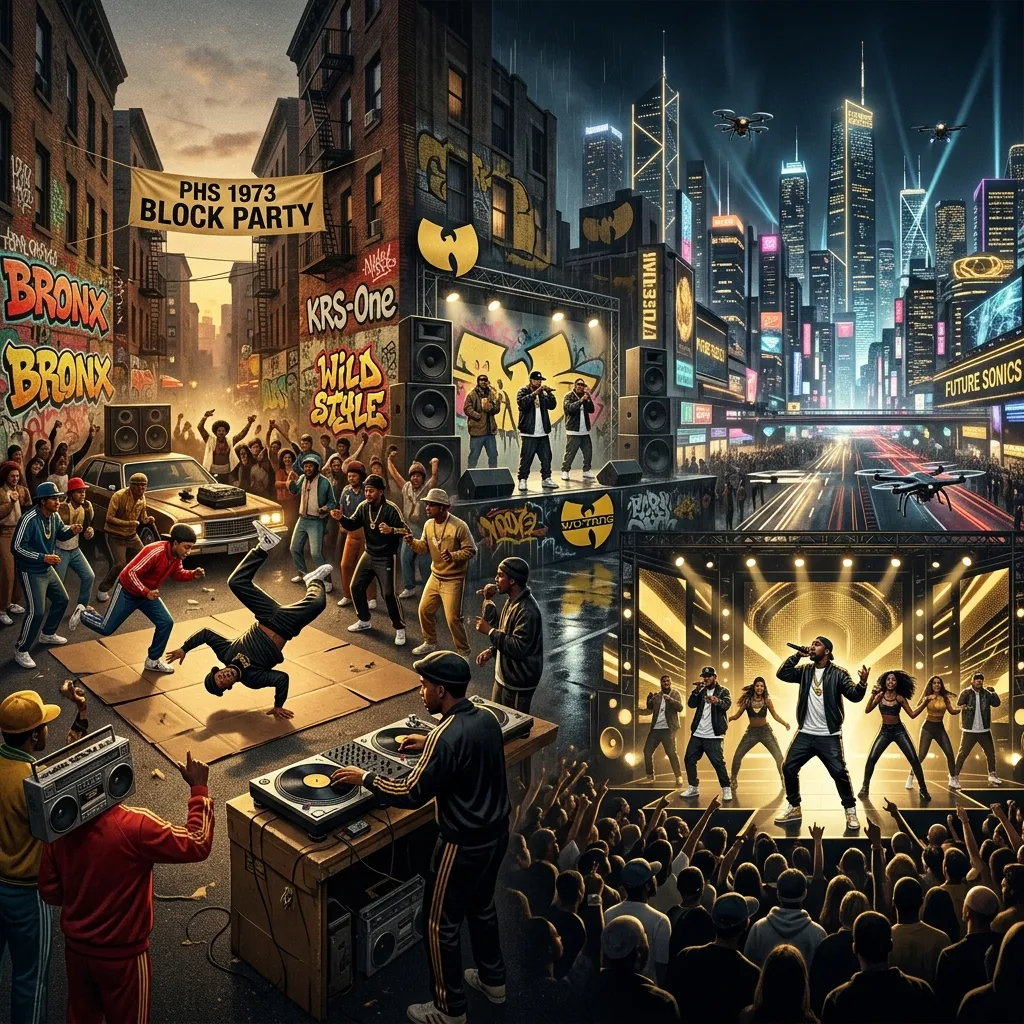
To understand the icons, you must first understand the environment that created them. Hip-hop was born out of marginalization. In the 1970s and 80s, the youth of the South Bronx did not have access to European luxury fashion. Instead, they took what they had—athletic wear, workwear, and customized vintage pieces—and remixed it to create a completely new visual language.
The Evolution of Hip-Hop's Fashion Influence
The relationship between hip-hop and the fashion industry can be broken down into three distinct eras:
| Era | The Relationship Dynamic | Defining Style Elements | Key Architect |
| :--- | :--- | :--- | :--- |
| The Bootleg Era (1980s) | Luxury brands reject hip-hop; hip-hop bootlegs luxury. | Tracksuits, thick gold rope chains, bucket hats | Dapper Dan |
| The Mogul Era (1990s - 2000s) | Artists create their own competing fashion empires. | Oversized denim, velour suits, heavy branding | P. Diddy (Sean John) |
| The Convergence Era (2010s - 2026) | Luxury brands hire hip-hop artists as designers. | High-low mixing, tailored streetwear, archival luxury | Pharrell / Kanye West |
We are currently living in the Convergence Era, where the line between a Parisian runway and an Atlanta rap video no longer exists.
The 10 Most Influential Hip-Hop Fashion Icons
Here is the definitive ranking of the artists and visionaries who reshaped the global wardrobe.
1. Dapper Dan: The Godfather of Luxury Streetwear
Long before Gucci or Fendi wanted rappers wearing their clothes, Dapper Dan was bringing luxury to the streets. Operating out of his boutique in Harlem in the 1980s, Dan famously took luxury monogram prints (often illegally) and repurposed them into custom, street-ready silhouettes like tracksuits and bomber jackets for drug kingpins and hip-hop legends like LL Cool J and Eric B. & Rakim. He essentially invented the concept of luxury streetwear, proving that the urban market had an insatiable appetite for high fashion.2. Run-D.M.C.: The Sneaker Pioneers
Before 1986, athletic brands did not give endorsement deals to musicians; they gave them to athletes. Run-D.M.C. changed the course of history when they released the track "My Adidas," leading to an unprecedented $1.5 million endorsement deal. They established the foundational uniform of hip-hop: unlaced Adidas Superstars, black fedoras, leather jackets, and Cazal sunglasses. They proved to corporate America that hip-hop moved product.3. Pharrell Williams: The Japanese Streetwear Ambassador
If Dapper Dan brought Europe to Harlem, Pharrell brought Tokyo to America. In the early 2000s, when the rest of hip-hop was wearing oversized sports jerseys, Pharrell was wearing fitted, brightly colored skater apparel and trucker hats. He was instrumental in introducing the U.S. market to Nigo and the legendary Japanese brand A Bathing Ape (BAPE). His influence culminated in 2023 when he was named Men's Creative Director at Louis Vuitton, the ultimate realization of the hip-hop/luxury convergence.4. Kanye West: The Runway Disruptor
Regardless of public opinion, Kanye West's impact on fashion is undeniable and monolithic. He broke down the hyper-masculine barriers of 2000s hip-hop by wearing pink polos and Louis Vuitton backpacks. Later, through his Yeezy empire, he completely shifted the global silhouette toward neutral earth tones, minimalist, dystopian activewear, and heavily knit, sock-like footwear. He forced the high-fashion world to treat rappers as legitimate, visionary designers rather than just walking billboards.5. Missy Elliott: The Futuristic Visionary
Missy Elliott never followed trends; she created entirely new universes. In an era where female rappers were often pressured into adopting hyper-sexualized aesthetics, Missy arrived in the "The Rain" music video wearing a massive, inflated, patent-leather trash bag suit. She pioneered the use of futuristic, avant-garde, and deeply weird aesthetics in hip-hop, proving that women could dominate the industry visually without conforming to the male gaze.6. Slick Rick: The Architect of Bling
You cannot discuss hip-hop fashion without discussing jewelry, and Slick Rick is the undisputed king. In the late 1980s, he defined the aesthetic of hip-hop opulence, draping himself in massive, layered gold chains, diamond-encrusted eye patches, and extravagant rings. He laid the blueprint for the massive "bling" era of the late 90s (Cash Money Records) and the heavy, diamond-cuban links worn by modern artists today.7. Lil' Kim: The Queen of High-Fashion Provocation
Lil' Kim, working heavily with legendary stylist Misa Hylton, completely revolutionized how female sexuality and high fashion intersected in hip-hop. Her iconic 1999 MTV VMAs look—the purple sequined jumpsuit with the matching pasty—remains one of the most referenced outfits in pop culture history. She was one of the first rappers to sit front row at high-fashion shows and the first to seamlessly blend luxury brand devotion (Chanel, Versace) with raw, unapologetic street energy.8. A$AP Rocky: The High-Fashion Misfit
When A$AP Rocky arrived in 2011, he coined the phrase "fashion killa" and lived up to it. He bridged the gap between the gritty street aesthetic of Harlem and the avant-garde, dark-goth aesthetics of designers like Rick Owens and Raf Simons. Rocky made it acceptable for straight male rappers to experiment with androgyny, wearing babushkas (headscarves), painted nails, and tailored women's coats, forever expanding the definition of masculinity in hip-hop fashion.9. Karl Kani: The Originator of the Baggy Era
While artists were wearing the clothes, Karl Kani was making them. Dubbed the "Godfather of Urban Fashion," Kani noticed that Black men in Brooklyn and Los Angeles were buying jeans several sizes too big so they would sag. Kani ingeniously designed pants that were naturally cut with a baggy, relaxed fit without requiring a massive waistline. He clothed everyone from Tupac Shakur to The Notorious B.I.G., defining the dominant, oversized silhouette of the entire 1990s.10. Tyler, The Creator: The Preppy Subverter
Tyler took the skate-punk aesthetic of the Odd Future era and matured it into a deeply sophisticated, pastel-drenched preppy uniform. Through his brands Golf Wang and Golf le Fleur, he subverted traditional "country club" aesthetics—sweater vests, loafers, tailored shorts, and silk scarves—and reclaimed them for hip-hop youth. He proved that streetwear does not always have to be dark, aggressive, or draped in logos to be culturally significant.Best Practices for Developing Your Own Style
You do not become a style icon by copying other people. If you want to develop an authentic wardrobe, you must apply the mindset of the artists listed above.
Master the High-Low Mix
The most respected outfits in 2026 are not the most expensive ones. The true art of streetwear is the "high-low mix"—pairing a $500 designer jacket with a $20 vintage, faded graphic t-shirt and beat-up sneakers. Wearing head-to-toe designer clothing does not mean you have style; it means you have a budget.Study the Archives
Before you buy the latest hyped collaboration, look backward. Spend time researching 1990s Japanese fashion magazines (like Fruits or early Boon issues) or 1980s hip-hop photography. Finding inspiration in the archives allows you to incorporate classic silhouettes into your wardrobe before they become trendy again.Tailoring is Everything
Even if you prefer the baggy, oversized aesthetic, your clothes must fit your specific proportions. A baggy pair of pants should drape perfectly over your shoe, not drag on the concrete and destroy the hem. Find a local tailor and spend $20 to have your vintage pickups hemmed and tapered to fit your exact body type.Common Fashion Mistakes to Avoid
The fastest way to look like a fashion victim is to ignore the foundational rules of styling.
Mistake 1: Wearing Counterfeit Luxury
While Dapper Dan built an empire on bootlegs, that was a specific cultural rebellion in the 1980s. In 2026, wearing fake Gucci or fake Balenciaga is heavily frowned upon. The Fix: If you cannot afford authentic luxury pieces, do not buy fakes. Instead, invest that money into high-quality, emerging independent brands or authentic vintage pieces. Authenticity is always more respected than a fake logo.Mistake 2: Ignoring Proportions
As mentioned in our previous guides, proportion is the defining factor of a good outfit. Wearing an incredibly tight, fitted t-shirt with massive, parachute-style cargo pants creates a comical, unbalanced silhouette. The Fix: Ensure your upper and lower halves communicate. If you wear wide pants, balance it with a slightly boxy, cropped jacket or hoodie to maintain structure.Mistake 3: Letting the Clothes Wear You
You can buy the exact same outfit A$AP Rocky wore on a runway, but if you do not have the confidence to pull it off, you will look awkward. The Fix: Style is 90% confidence. Only wear clothing that makes you feel comfortable and authentic to your true self. If a trend feels forced or unnatural to you, skip it.Frequently Asked Questions (FAQ)
What is the difference between "Urban Wear" and "Streetwear"?
"Urban wear" was a marketing term created in the 1990s by corporate retailers to categorize clothing designed for and by the Black and Latino communities (brands like FUBU, Sean John, Rocawear). "Streetwear" is a broader, more modern term encompassing the convergence of skate culture, hip-hop, and high fashion. Many critics now reject both terms, arguing that it should simply be called "American Fashion."Why did rappers stop wearing oversized clothes in the late 2000s?
The shift from extremely baggy clothes to more tailored, fitted silhouettes was largely driven by artists like Kanye West and Pharrell, who were heavily influenced by the European runway shows of designers like Hedi Slimane (Dior Homme) and Japanese skater aesthetics. The culture eventually followed their lead, embracing a slimmer, more tailored fit by the early 2010s.What does "Archival Fashion" mean?
Archival fashion refers to rare, highly sought-after pieces from a designer's past collections. Instead of buying a new jacket from a 2026 collection, a collector might hunt down a specific Prada jacket from the Fall/Winter 1999 runway. Wearing archival pieces proves that you have deep historical knowledge of the fashion industry.Did Virgil Abloh start out in hip-hop?
Yes. Before becoming the Artistic Director of Louis Vuitton Menswear and founding Off-White, Virgil Abloh started his career as Kanye West's creative director. He designed album covers (including Watch the Throne), stage sets, and merchandise, proving that the creative minds working behind the scenes in hip-hop were perfectly equipped to run the highest levels of Parisian luxury.Why do rappers wear sunglasses indoors?
While it began as a practical necessity to hide the effects of late-night studio sessions or partying (and sometimes the flash of paparazzi cameras), artists like Slick Rick and Eazy-E turned indoor sunglasses into an essential aesthetic choice. It projects an aura of mystery, detachment, and undeniable "cool."The Culture Dictates the Runway
The fashion industry did not invite hip-hop to the table; hip-hop built its own table, and eventually, the luxury houses begged for a seat. By studying the icons who broke down these barriers—from Dapper Dan's ingenuity to Lil' Kim's fearless provocation—you can build a wardrobe that respects the history while pushing your personal style forward.
If you are looking to complete your outfit with the perfect footwear, you must understand the current market trends. Check out our comprehensive guide to the Best Sneakers of 2026 to find the perfect silhouette to match your new aesthetic.